Homeownership is one of the most significant investments you will ever make. As you pay down your mortgage and property values rise, you build equity—a powerful financial tool that can be used to fund renovations, consolidate debt, or cover major life expenses.
However, before tapping into your home’s value, the most pressing question for many homeowners is: What are the rates for a home equity loan?
Understanding how these rates are determined is the first step toward making an informed financial decision. Unlike a standard Conventional Loan, which is used to purchase a property, a home equity loan allows you to borrow against the portion of the home you already own.

How Home Equity Loan Rates are Determined
Home equity loan rates are not universal; they fluctuate based on several economic and personal factors. Generally, these loans offer fixed interest rates, providing you with a predictable monthly payment. This stability makes them a popular alternative to credit cards or personal loans, which often carry much higher interest.
When lenders evaluate the rates for a home equity loan for a specific borrower, they look closely at the borrower’s credit score and debt-to-income ratio.
A higher credit score typically unlocks the most competitive rates. Additionally, the amount of equity you have—the difference between your home’s market value and your current mortgage balance—plays a crucial role in the pricing you receive.

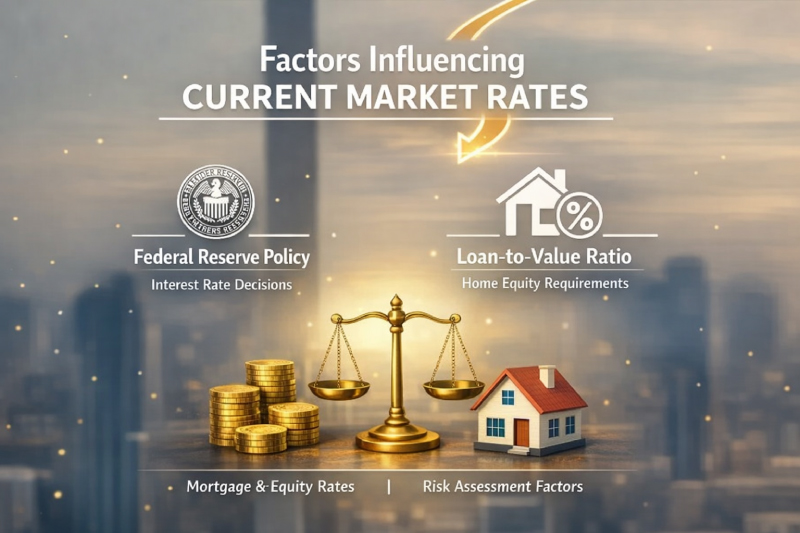
Factors Influencing Current Market Rates
The broader economy heavily influences the interest rate environment. The Federal Reserve’s monetary policy sets the tone for borrowing costs across the United States. When the “Fed” raises or lowers the federal funds rate, mortgage and equity rates usually follow suit.
Lenders also consider the “Loan-to-Value” (LTV) ratio. If you are looking for Hard Money Loans or specialized Commercial Loans, the risk assessment changes, but for residential equity, lenders prefer you to keep at least 15% to 20% equity in the home after the loan is issued.
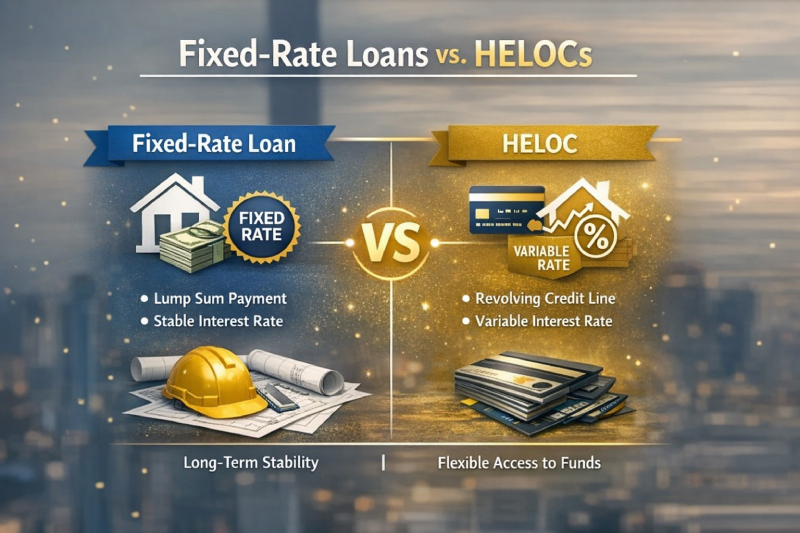
Fixed-Rate Loans vs. HELOCs
It is important to distinguish between a home equity loan and a Home Equity Line of Credit (HELOC). A home equity loan provides a lump sum with a fixed interest rate. This is ideal for one-time expenses like a roof replacement or Construction Loans for a specific project.
In contrast, a HELOC works more like a credit card with a variable rate. If you are concerned about market volatility, you might prefer the fixed nature of a standard equity loan. Knowing what are the rates for a home equity loan allows you to compare the long-term cost of borrowing against the flexibility of a variable line of credit.
The Benefits of Using Your Home’s Equity
One of the primary reasons homeowners seek equity financing is for debt consolidation. By using a lower-interest home equity loan to pay off high-interest credit card debt, you can save thousands of dollars in interest over time.
Furthermore, if you use the funds for home improvements, the interest paid on the loan may be tax-deductible. According to the Federal Trade Commission, it is vital to shop around and compare at least three different lenders to ensure you are getting the best possible terms for your specific financial situation.

Why Choose Direct Capital Lending?
At Direct Capital Lending, we have been helping California residents navigate the complexities of real estate finance since 2006. As a full-service mortgage broker, we specialize in everything from FHA Loans and VA Loans to innovative financing for Land Loans and ADU construction.
Our team has solid partnerships with over fifty lenders, allowing us to provide you with the best pricing and service possible. Whether you are a first-time buyer or a seasoned investor, we are dedicated to serving our community with honesty, integrity, and consistency.
Frequently Asked Questions (FAQs)
Is a home equity loan better than a personal loan?
Home equity loans generally offer lower interest rates than personal loans because they are secured by your property. However, the risk is higher for the borrower, as the home serves as collateral.
How much equity do I need to qualify for a loan?
Most lenders require you to have at least 15% to 20% equity in your home. This ensures there is a “cushion” of value in the property if market prices fluctuate.
Are home equity loan rates higher than primary mortgage rates?
Yes, typically. Since a home equity loan is a “second lien” (meaning the primary mortgage gets paid first in the event of a sale), lenders charge a slightly higher rate to compensate for the increased risk.
Can I get a home equity loan with a low credit score?
While possible, a lower credit score will result in a higher interest rate. Some lenders specialize in “subprime” or alternative lending, but you will likely pay a premium for the financing.
How long does it take to get funds from a home equity loan?
The process usually takes between two to six weeks. This includes the time needed for an appraisal, credit check, and the mandatory three-day “right of rescission” period required by law.